
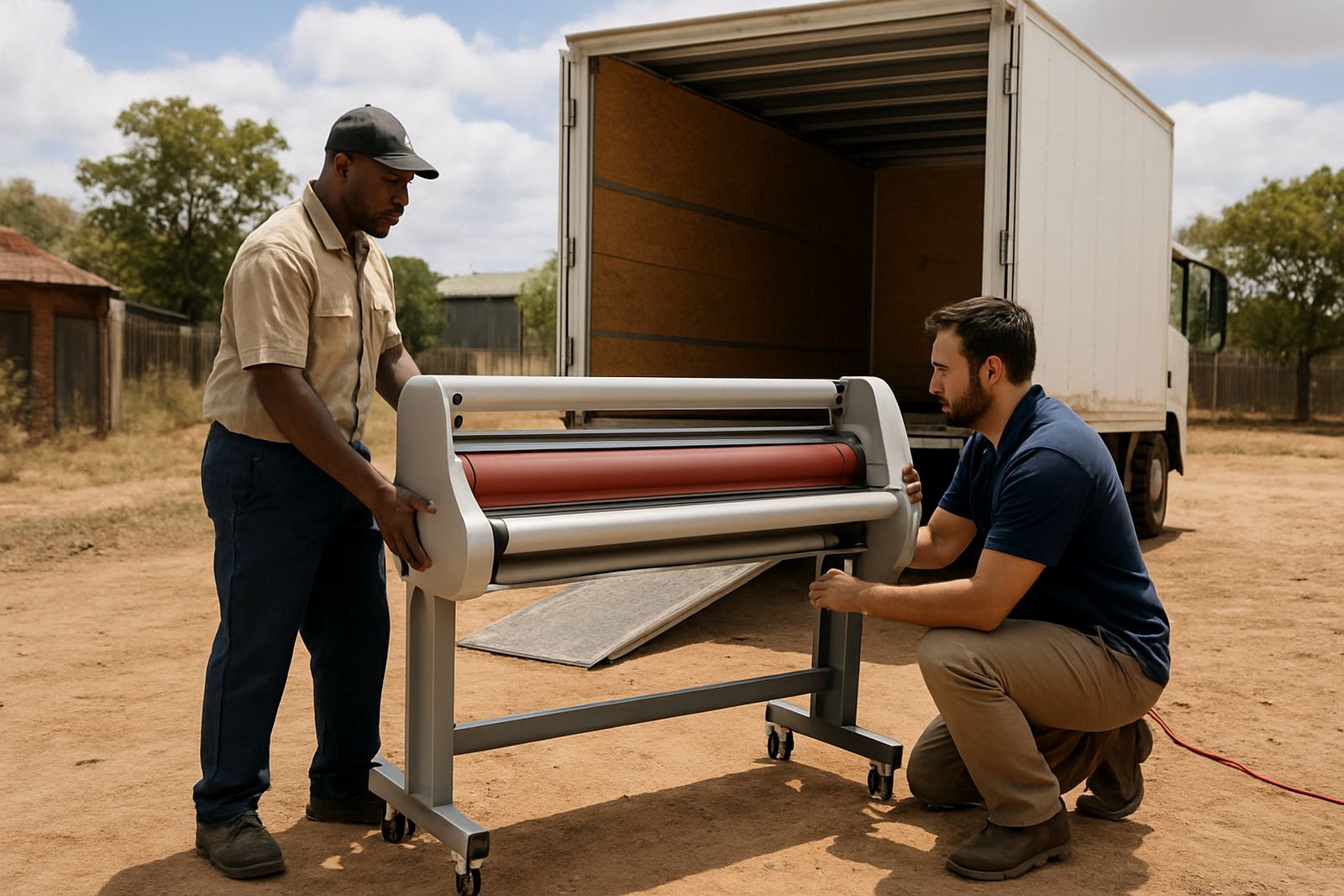
How We Plan The Delivery
Once your order is confirmed, we check the machine size, weight, delivery address and the space where it will stand. This helps us plan the right vehicle, lifting method and crew for the job. For Kya Sand, Randburg, Sandton and Midrand deliveries we can often work to tighter time windows, while out of town installs are booked with travel and site access in mind.
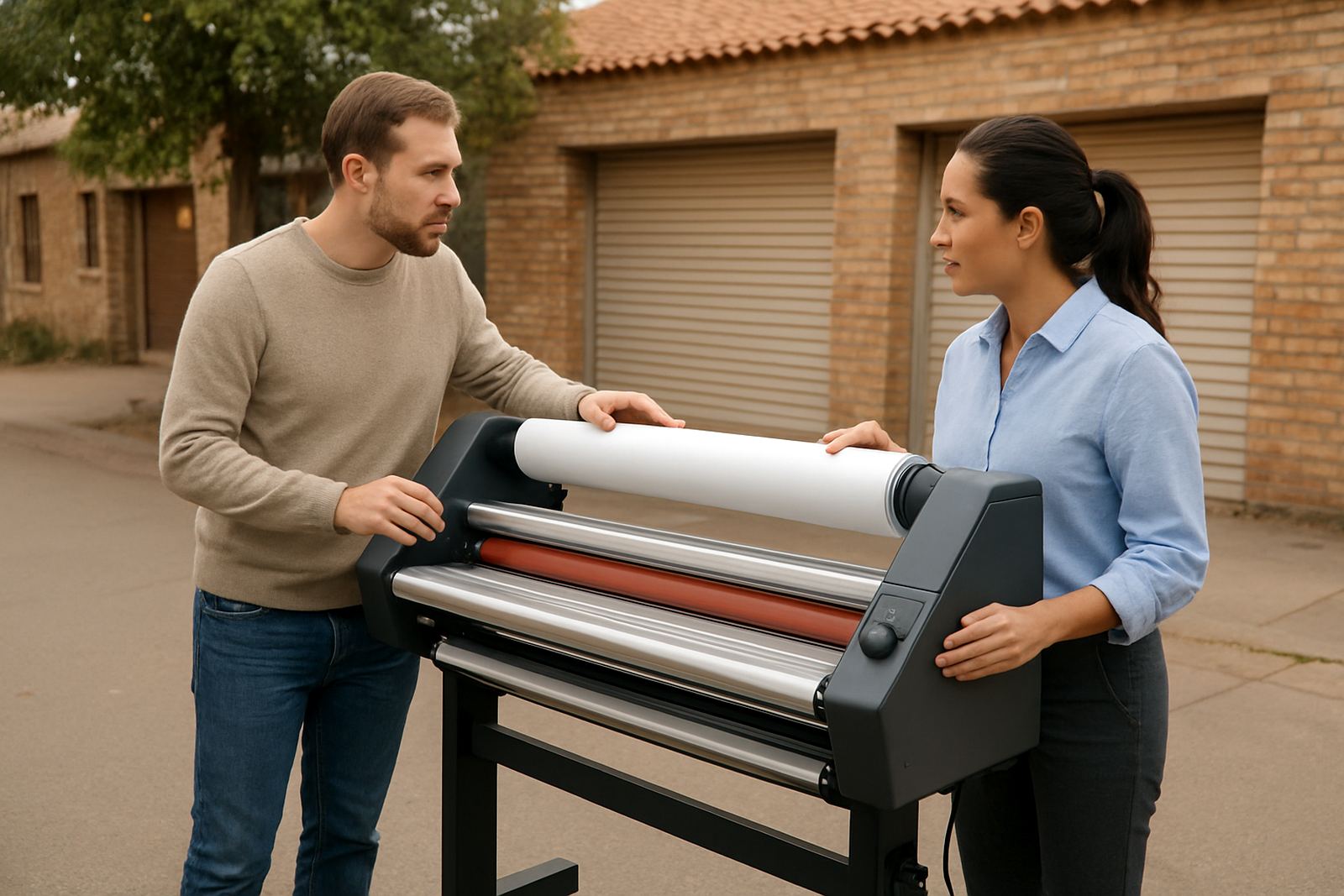
We also ask about stairs, narrow gates, low carports, shared loading areas and any security rules at the premises. If your site has limited parking or forklift access, tell us early so we can plan for manual handling or arrange the right equipment. It saves time and reduces the risk of damage.
- Confirm floor space, door widths and turning space
- Check whether a forklift, pallet jack or ramp is needed
- Agree on site contact details and receiving times
- Plan for lift clubs, security sign-in or municipal access rules where needed
What Happens On Delivery Day
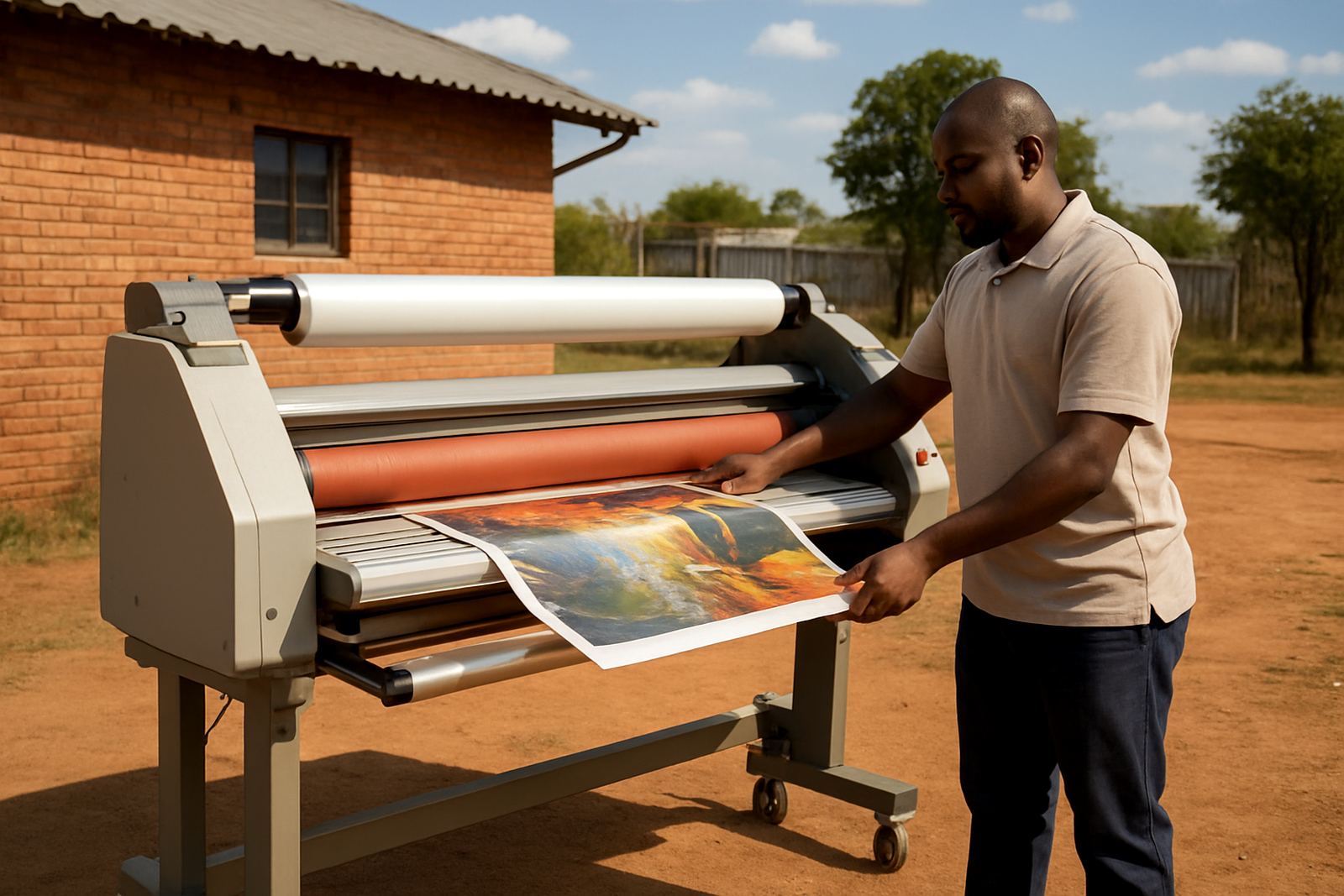
On the day of delivery we offload the machine carefully and inspect the packaging before the unit is moved into position. If the site is on an upper floor or in a building with strict loading bay rules, we work with the building team so the machine can move through the site without avoidable delays. In busy areas like Sandton CBD or Pretoria commercial parks, access timing matters more than people think.
We check for visible damage before installation starts and record anything that needs attention. The machine is then moved to its final position, levelled and placed so the operator has safe working room around it. Good placement matters because heat, dust and poor access can affect daily use.
- Packaging and machine condition are checked on arrival
- The unit is moved to the final position and levelled
- Any damage or missing parts are noted immediately
- The surrounding area is left tidy and safe for setup
Site Access And Space Requirements
Wide-format laminators need enough room not just for the machine itself, but for feeding material, changing rolls and standing clear during operation. We recommend allowing extra space at the front and back so your team can handle long sheets and printed work without forcing the material. In print shops with tight floor layouts, a small change in machine position can make daily handling much easier.
Before installation we look at the site conditions that affect performance. Power supply, floor strength, dust levels and ventilation all matter. In coastal humidity the machine may need extra care during warmup and when storing media nearby, while in industrial areas dust control becomes more important.
- Leave enough clearance for loading, feeding and trimming
- Provide a stable floor that can take the machine weight
- Make sure power points are close and correctly rated
- Avoid placing the laminator near open doors, water lines or direct sun
Electrical And Mechanical Setup
After positioning, we connect the machine and check the power supply before switching on. Hot roll units need correct electrical conditions and a clean, stable supply so the heat system can operate properly. We then inspect the drive system, roller alignment, pressure settings and emergency controls before any material is fed through.
If the site has had load-shedding or voltage issues, we pay extra attention to the electrical side of the install. A machine can be mechanically sound and still underperform if the supply is unstable. Where needed, we recommend practical steps the client can take to protect the equipment and keep output consistent.
- Confirm the power supply matches the machine requirements
- Check rollers, belts, sensors and safety controls
- Test heat-up time and pressure response
- Inspect for vibration, uneven feed or unusual noise
Commissioning And Test Runs
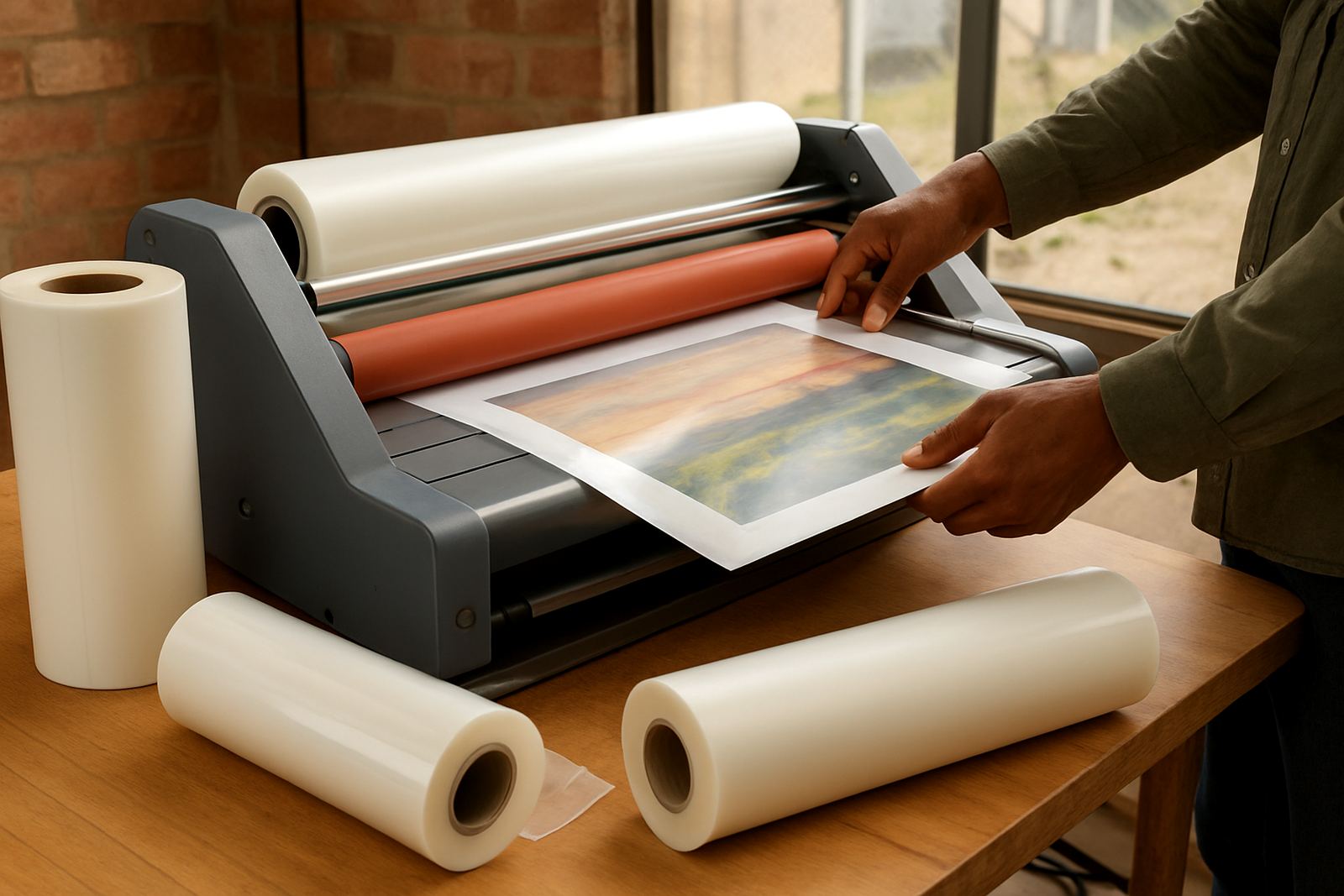
Commissioning is the stage where we prove that the machine is ready for production use. We run test material through the laminator, check temperature response, alignment and pressure, then adjust the settings until the finish is correct. This is especially important for print shops handling artwork, signage and customer work that must look clean and even.
During the test run we look for bubbles, wrinkles, curling and edge lift. If something is not right, we correct it on site before handover. That way your first jobs are not spent troubleshooting. A proper commissioning also gives the operator a clear starting point for different media types and jobs.
- Test with sample material similar to real production work
- Adjust pressure and heat settings where required
- Check finish quality across the full width of the roll
- Confirm the machine stops and restarts as expected
Operator Handover And Aftercare
Before we leave, we walk your team through the controls, loading steps and daily checks. We show how to clean rollers, watch for dust build-up, and spot signs that the pressure or heat needs attention. For busy shops in Johannesburg, Pretoria or the East Rand this training helps reduce downtime and keeps the machine in better shape between services.
We also explain what to do if a fault appears after installation. Our team can assist with on-site breakdowns, spare parts support, roller cleaning, pressure calibration and refresher training when staff change. If your site needs future servicing, we can schedule it around production and travel needs.
- Basic operator training is included with installation
- Service records can be kept for routine maintenance
- Fault reporting is explained clearly before handover
- Follow-up support is available through our contact form or phone